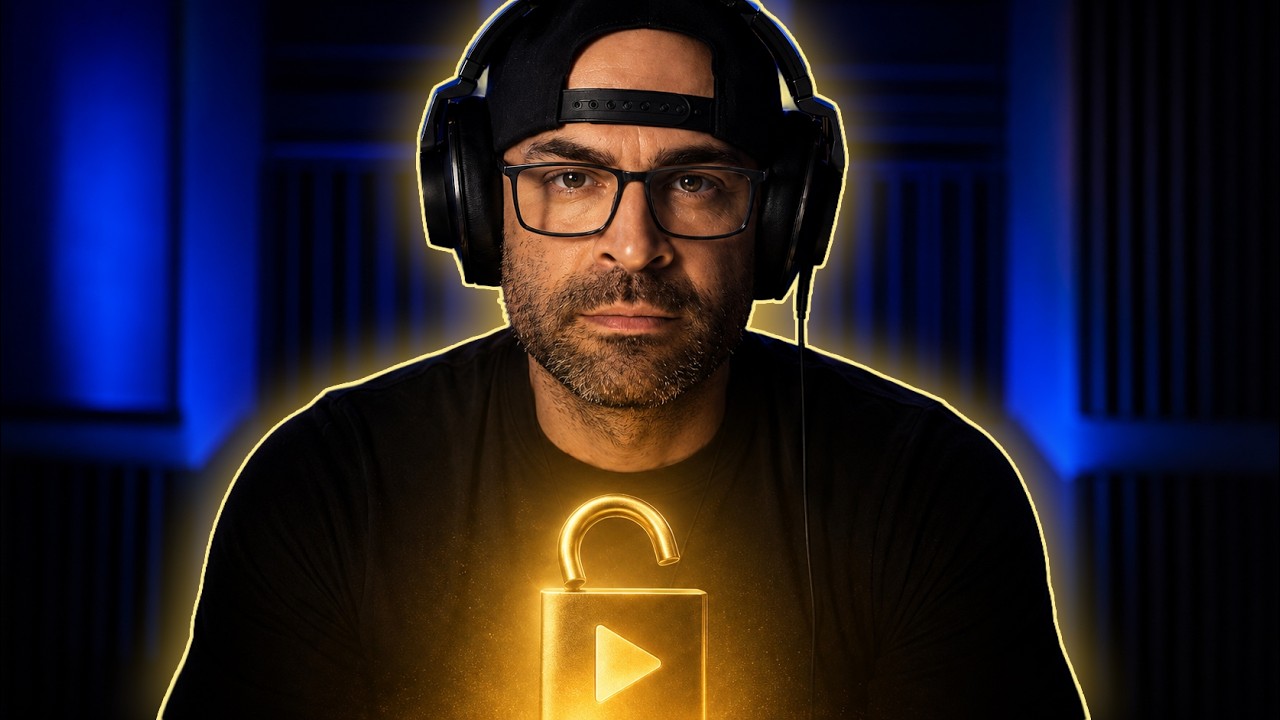
How This Niche Podcast Hit YouTube Partner Status Without Any Viral Moments
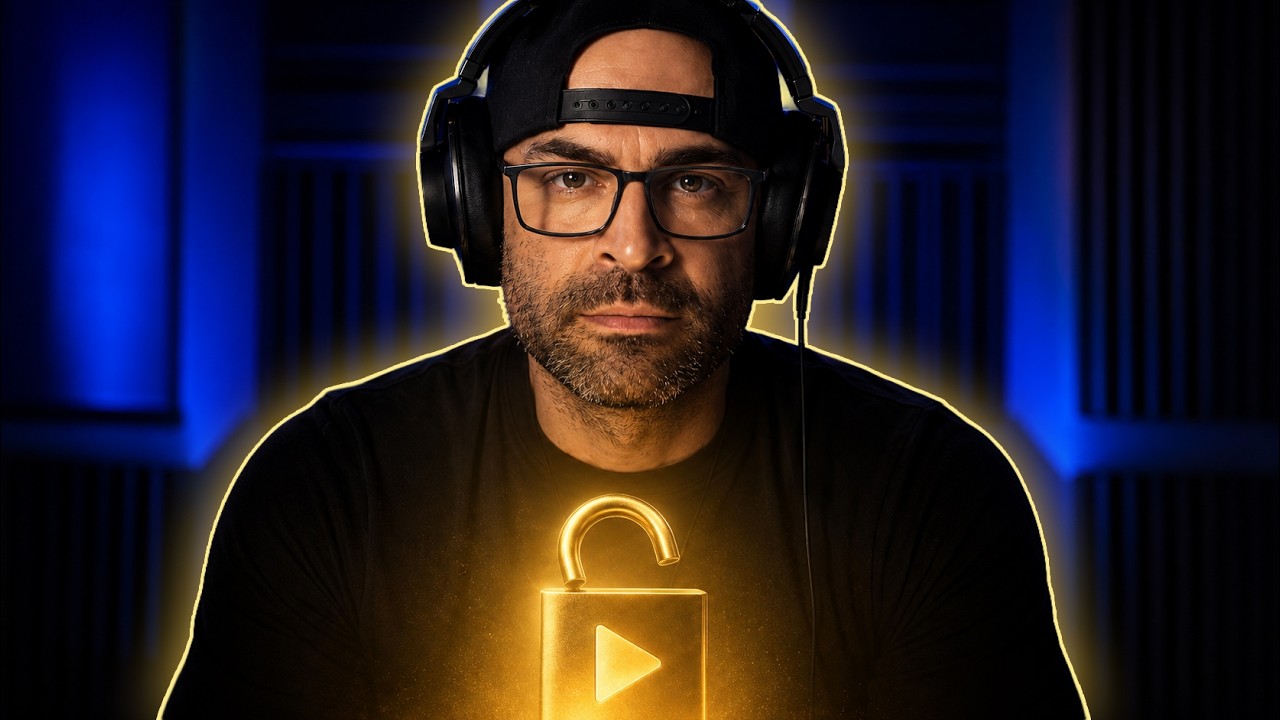
Most business owners assume YouTube is a game for entertainers, creators with huge personalities, or people who feel naturally comfortable on camera.
I do not buy that.
I have seen a niche business podcast go from zero subscribers, zero ad spend, and no existing audience to YouTube Partner Program status in under 18 months. No breakout viral hit. No celebrity guest strategy. No flashy gimmicks. Just a repeatable system built around useful content, strong packaging, and consistency.
That matters because only a small percentage of active YouTube channels ever reach that milestone. So if a podcast in a so-called boring B2B niche can do it, there is a very good chance your niche is not the problem.
In many cases, the niche that feels too boring to film is actually the one you should lean into hardest.
The podcast was never meant for public growth
What makes this example so interesting is that the show did not start as a public-facing content brand at all.
It began as an internal training tool for a home service business organization. The original goal was simple: capture knowledge from top performers inside the company and make that knowledge available to the rest of the team.
There was no grand YouTube strategy in the beginning. No audience growth targets. No monetization plan. No carefully engineered content calendar built around platform trends.
It was designed to help people inside the business get better at their jobs.
Ironically, that is exactly why it worked so well once it became public.
Why internal-first content often works better than generic public content
When content is built for a very specific person with a very specific problem, it usually becomes more useful than content aimed at everyone.
That was the secret here.
Each episode was created with one person in mind. Not an abstract audience. Not a broad demographic. One real person in a real situation.
For example:
- An HVAC technician trying to close more service calls
- A plumber wanting to earn more in the trade
- A salesperson losing deals late in the process and trying to understand why
- A tradesperson trying to move up in their career
The filter for choosing a topic was brutally simple: Can this episode materially help that person?
If the answer was yes, it was worth recording.
If the answer was vague, uncertain, or too broad, it was skipped.
That one decision removes a lot of the fluff that kills business podcasts. Instead of asking, “What might get attention?” the better question is, “What would actually solve a problem for the right person?”
How the topics were chosen
The content strategy was built around extracting practical knowledge from the best people in the business.
That meant bringing on the strongest performers across the company and asking them how they got their results. Not in a polished, high-level leadership-theory kind of way. In a practical, tactical, useful way.
The guests were the people already producing results such as:
- Top earners
- People who had been promoted
- Team members others already relied on for advice
- Operators who had solved problems others were still stuck on
Then the conversations were framed from the perspective of the person still trying to figure things out.
Questions focused on things like:
- What mistakes did you make before you got this right?
- What would you tell someone who is where you were a few years ago?
- What changed your results?
- What should someone avoid if they want to improve faster?
That may sound less exciting than the typical internet-style content approach, but it is exactly the kind of specificity that makes business content valuable.
Specificity is what made the content discoverable
The same detail that made these episodes useful internally is what made them powerful on YouTube.
People outside the company started finding the content because it matched the exact kinds of questions they were already searching for.
Someone interested in trade careers, income growth in the trades, or practical HVAC and plumbing advice could land on an episode that felt direct and relevant immediately.
That is an important lesson for any expert-led company.
You do not need to sound broad to grow. In fact, broad usually hurts you. Specificity helps both the algorithm and the audience understand who the content is for.
On YouTube, clear relevance is a huge advantage.
The timing helped, but the content still had to earn it
I do think luck and timing play a role in growth, and pretending otherwise is not helpful.
In this case, the broader market environment helped.
More young people are rethinking the traditional college path. Many are looking at the trades as a more practical and future-resistant option. Plumbing, HVAC, and electrical work are all fields that feel more durable in an era where AI is changing knowledge work fast.
So naturally, more people are searching for answers around trade careers.
And where are they searching? YouTube.
That created an opening. But the opening only mattered because the content already existed and was specific enough to match the searches.
Timing can help. But timing alone does not build authority. You still need substance.
Growth did not happen in one big spike
One of the most misleading ideas about YouTube growth is that success always looks dramatic.
It often does not.
This channel did not explode overnight. Growth was uneven, slow, and at times frustrating. One subscriber here, two there, then maybe a random week with a small jump, then back to a crawl again.
That kind of pattern can mess with your head if you expect immediate feedback from every episode.
Some topics seemed to work, then the next similar topic underperformed. Then a different angle unexpectedly did well. The signals were messy before they became clear.
But over 18 months, that slow climb added up.
That is what compounding authority looks like in the real world. It rarely feels exciting in the moment. It feels repetitive, inconsistent, and slower than you want. Then one day you realize you have built something substantial.
Great content is not enough if nobody clicks
Once the foundation is strong, the next big issue is packaging.
This is where I see a lot of business podcasts fail long before anyone has a chance to hear the expertise behind them.
I tend to break this into three parts:
- The title
- The thumbnail
- The opening 30 seconds
If any one of those breaks, the content can struggle no matter how smart the host is.
Title strategy: stop using episode numbers and vague labels
One of the most common mistakes I see is the generic business podcast title.
Something like:
- Episode 47
- Business Growth Tips
- Leadership Lessons with [guest name]
Those titles are weak because they do not communicate a clear outcome. They do not tell YouTube what the content is really about, and they do not give a potential click any reason to care.
A good title should do two things quickly:
- Identify who the content is for
- Make the promised result obvious
A title built around a specific problem and a specific outcome is much stronger than one built around a series number or a generic topic label.
For example, a title about selling a high-ticket HVAC system to buyers on any budget is much more compelling than a vague title about sales advice. It tells the right person exactly what they can expect to learn.
That is what gets someone to stop scrolling.
Thumbnail strategy: clean beats clever
Business podcast thumbnails often try to do too much.
I regularly see thumbnails overloaded with:
- Too much text
- Tiny unreadable details
- Cluttered layouts
- Weak contrast
- No visual hierarchy
When that happens, even strong content gets ignored.
The best thumbnails for this podcast were not fancy. They were clear.
The formula was simple:
- Use 3 to 6 words
- Make the text easy to read on a phone
- Use the thumbnail to reinforce the title, not repeat it word-for-word
- Focus on clarity over impressiveness
The goal is not to show off your design taste. The goal is to make the right person feel that the content contains something useful for them.
That is it.
If you are serious about growing on YouTube, thumbnails are not a minor detail. They are one of the most important pieces of the entire system.
The first 30 seconds decide whether the episode survives
Even with a strong title and a strong thumbnail, a weak opening can kill the entire thing.
This is another place where business podcasts often lose momentum fast.
Too many episodes begin with long welcomes, personal small talk, guest bios, or slow setup. That may feel polite, but it does not serve the person who clicked because they wanted an answer.
The opening should immediately confirm one thing: you are in the right place.
If the episode is about reducing employee turnover in a plumbing business, that should be obvious right away. If the topic is increasing closing rates on service calls, that should be clear from the first sentence or two.
I spend a huge amount of editing time on the first 30 seconds for that reason. Not the outro. Not the middle. The opening.
Retention is often won or lost there.
And once someone stays for the early part of a podcast episode, the odds of them staying much longer improve dramatically.
How we increased output without recording more
Once the content and packaging were working, the next challenge was volume.
The host was running multiple businesses and did not have the time to simply record more full-length episodes every week.
So instead of creating more from scratch, we created more from what already existed.
The publishing rhythm
The schedule was simple:
- Monday: full-length episode
- Wednesday: a repackaged segment from a full episode
That segment was not just uploaded casually. It got its own:
- Title
- Thumbnail
- Trailer or opening
- Positioning around a more specific problem
This matters because a shorter, more targeted segment creates a different discovery path.
Someone searching for one exact answer may be more likely to click a focused 10-minute segment than a two-hour conversation. Then, if the segment delivers, that person may go deeper and explore the full episode.
The reverse is true too. Someone who found the long episode may be more likely to share a short tactical segment with a colleague because it is easier to pass along one highly practical clip than a full-length interview.
That kind of repurposing expands reach without requiring more recording time, which is a huge advantage for busy founders and operators.
Why YouTube Partner Program status matters for business podcasts
A lot of people misunderstand the value of joining the YouTube Partner Program.
It is not exciting because of ad revenue, especially early on. In most cases, that money is tiny.
The real value is strategic.
Once your channel is in the partner program, YouTube has a stronger financial reason to distribute your content. The platform can place ads on your videos, which means it benefits more directly when your content performs.
That changes your relationship with the platform.
You go from simply uploading content to becoming a partner in the ecosystem.
Practically, that can mean more visibility in:
- Suggested videos
- Search results
- Sidebar recommendations
- Home feed placements
In other words, YouTube starts helping with distribution more actively.
That is why this milestone matters so much more than vanity. It is a signal that your content is worth surfacing more broadly.
Authority building goes beyond leads and downloads
There is also a deeper layer here that business owners should not ignore.
When a founder, CEO, or industry expert consistently publishes valuable content, it does more than attract attention from outside the company. It also reinforces leadership inside the company.
In this case, team members began recognizing and repeating ideas from the podcast in person. That kind of thing has an effect.
It strengthens authority.
It validates expertise.
And it can lift morale because people feel connected to something credible, visible, and respected.
There is a difference between being the leader of a company and being publicly recognized as a leader in your field. That public authority can ripple inward in powerful ways.
Your niche may be boring to you, but valuable to someone else
One of my favorite ideas from this whole example is this:
There are people searching for answers right now that would have loved access to what you know years ago.
If you are an expert in your space, the person who needs your insight may be:
- Just entering the industry
- Trying to avoid expensive mistakes
- Looking for a career path
- Trying to earn more
- Trying to become a stronger operator or leader
If you do not publish, those people either find nothing or they find someone less qualified who simply showed up more consistently.
That is the opportunity.
The niche you think is too small, too technical, or too boring may actually be wide open. Not because there is no demand, but because very few credible experts are creating content around it with any consistency or skill.
That means you may be able to own that category by default.
How I think about winning in a niche on YouTube
If I had to reduce the entire strategy down to a few principles, it would look like this:
- Start with a specific person, not a broad audience.
- Create episodes that solve real problems in plain language.
- Package every episode with a clear title and simple thumbnail.
- Use the first 30 seconds to confirm relevance immediately.
- Repurpose long-form content into focused segments.
- Stay consistent long enough for authority to compound.
That is the blueprint.
It is not glamorous. It is not built around hacks. But it is extremely practical for expert-led businesses.
This is bigger than content marketing
I also think there is a long-term reason this matters.
If you have built something worth running, then you have probably built something worth teaching.
A podcast gives that knowledge a home.
It helps your name become associated with your expertise. It gives future employees, future clients, and even your own family something real to look back on. It turns years of hard-won experience into an asset that can continue helping people long after a single meeting, sale, or season of business is over.
That is not just marketing. That is legacy.
Final thought
You do not need a viral moment to build a meaningful YouTube presence for your business podcast.
You need useful content, smart packaging, consistency, and a willingness to speak directly to the people who actually need your expertise.
If you are a business owner, CEO, or operator sitting on a podcast idea because your niche feels too boring, I would seriously rethink that assumption.
Boring often means underserved.
And underserved niches are where authority gets built fastest.
If you want help building a podcast that actually strengthens your brand and creates authority around your business, you can learn more at pursuepodcasting.com.
FAQ
Can a boring B2B podcast really grow on YouTube?
Yes. A niche business podcast can absolutely grow on YouTube if it solves specific problems for a specific type of person. In many cases, so-called boring niches perform well because there is less competition and the content is more useful.
Do I need a viral video to reach the YouTube Partner Program?
No. The example here reached partner status without a viral spike. Growth came from consistent publishing, highly specific content, stronger titles and thumbnails, and better audience retention.
What kind of topics work best for a business podcast on YouTube?
The strongest topics usually address practical questions tied to real business outcomes. Content tends to perform better when it focuses on concrete problems, clear situations, and useful lessons from people who have already solved those problems.
Why are podcast titles and thumbnails so important?
Because great content still needs a click. Titles help communicate who the episode is for and what result it promises. Thumbnails help reinforce that message quickly and clearly, especially on mobile devices.
What should I avoid in the first 30 seconds of a podcast episode?
Avoid long intros, small talk, generic welcomes, and slow setup. The opening should immediately confirm the topic and make it obvious that the person who clicked is in the right place.
How can I publish more without recording more episodes?
Repurpose strong moments from full-length episodes into shorter standalone segments. Give those segments their own titles, thumbnails, and positioning so they can attract a different search and discovery path on YouTube.
Is the YouTube Partner Program valuable if ad revenue is low?
Yes. The biggest value is not the early ad money. It is the added distribution advantage that can come from becoming a monetized channel on the platform. That can help your content get recommended more broadly over time.
Why does podcasting matter for authority building?
Podcasting helps turn expertise into visible leadership. It can strengthen your reputation in the market, build trust with prospective clients, and even reinforce credibility and morale inside your company.
