The Promo Code Era Is Over: How to Make Money Podcasting Without Renting Out Your Authority
Nobody cares about your promo code.
I know that sounds aggressive, but I mean it in the most useful way possible.
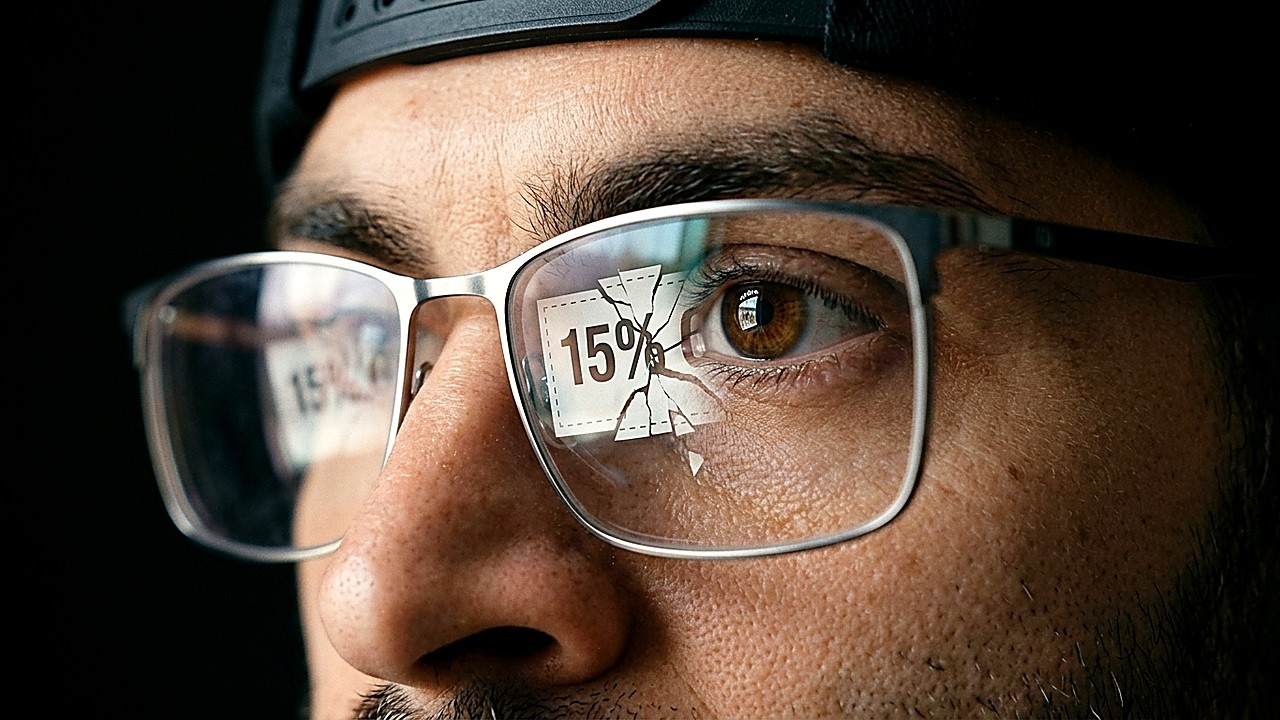
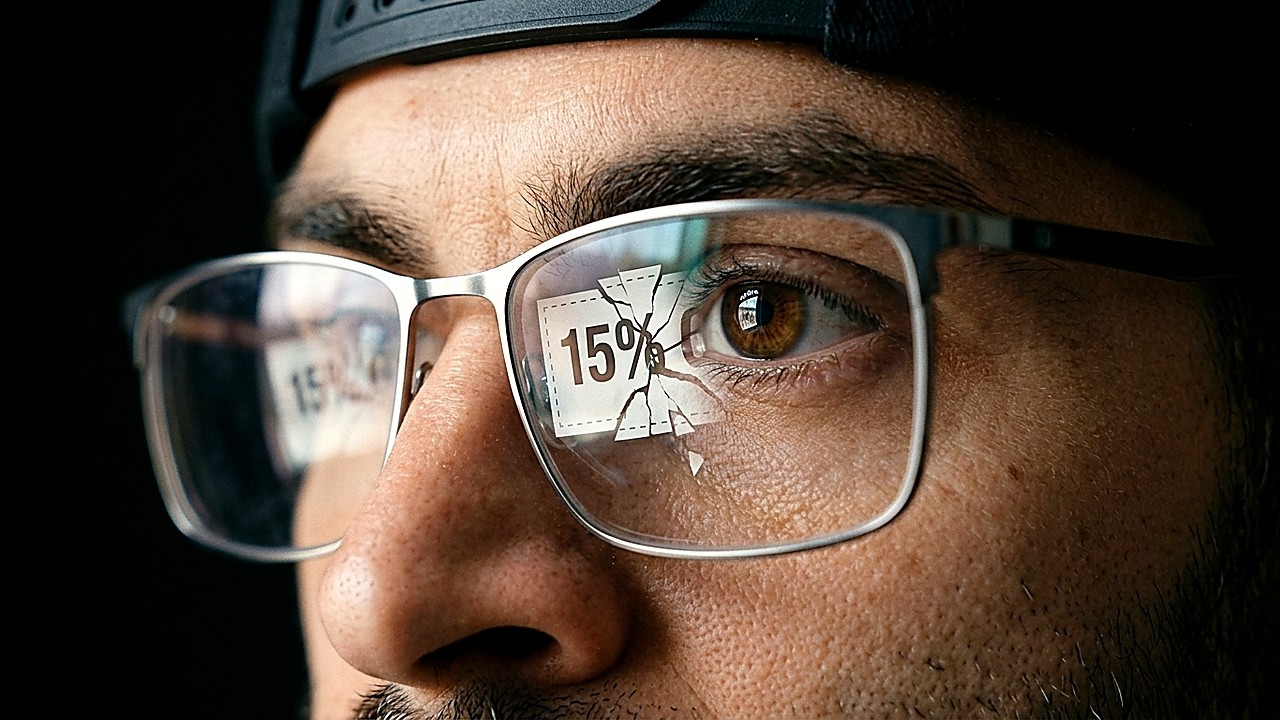
If you have 15% off a greens supplement, some hydration powder, or whatever the latest fitness brand is pushing, that is not an edge anymore. Ten other people in your niche have the same discount. Your audience can get the exact same deal from somebody else tomorrow. So the old idea that sponsorships equal authority, credibility, or meaningful podcast monetization is falling apart fast.
And I’m not saying that as someone throwing rocks from the outside. I’ve made a lot of money with that exact model. Well over a million dollars. It worked. For a while.
But it’s actively dying now.
Too many fitness podcasters are still chasing sponsorships because it feels like proof that they’ve made it. Bigger brands. More logos. More ad reads. More perceived status.
But most of the time, all you’ve really done is get better at renting out your authority to companies that do not actually care about your long-term business.
There’s a better way to think about podcast monetization, and it starts with one idea: sponsor yourself.
Why the traditional sponsorship model is broken
The sponsorship model looks good on the surface. You build an audience, a brand pays you, you read their ads, and everyone wins.
Until they don’t.
Here’s the real issue: the sponsor always has the leverage.
I’ve lived this firsthand. A couple years ago, I worked with a big company selling a high-ticket product. It was the kind of product people usually buy once, not something they keep buying every month. During the contract, we were generating at least an 8x return on investment for them. They were thrilled. We were thrilled. Money was flowing.
Then the holidays hit.
The ROI dropped from 8x to about 2x.
I tried to explain the obvious. People weren’t buying that kind of equipment during Christmas. They were buying gifts, random Amazon stuff, things for family and friends. But none of that mattered. The explanation didn’t matter. The context didn’t matter.
The only thing that mattered was that their numbers dipped.
So they didn’t renew.
And that’s where the model gets ugly.
All the episodes with their ad reads were still out there. All the evergreen content with their brand all over it was still circulating. That content kept working. It kept driving awareness. It likely kept making them money.
But once the contract ended, we got paid nothing.
That’s the part a lot of creators don’t think through. You create content assets that live forever, but if those assets point to someone else’s business, they keep benefiting from your work long after you stop getting paid.
It’s basically like renting out a room in your house for one lump payment, then letting them live there rent-free forever while you keep paying the emotional bill.
Sponsorships don’t just cap your upside. They can control your voice.
There’s another problem with sponsors that doesn’t get talked about enough.
They can quietly censor your content.
Let’s say you want to say something edgy. You want to challenge a mainstream narrative. You want to tell a controversial story or take a strong stance that actually matters to your audience.
Then the email comes in.
Maybe it doesn’t literally say, “You can’t say that.” It’ll be phrased more professionally than that. But the message is the same:
- Be more careful how you talk about this.
- We don’t want to be associated with episodes like that.
- If you continue, don’t mention us in those episodes.
Now you’re not creating based on what matters most.
You’re creating based on what protects revenue.
That is a dangerous place to be as a podcaster.
I’ve gotten those emails. I’ve been on the receiving end of sponsors pulling back because they didn’t like a direction we took. And yes, I’ve also had one try to come back later after the show blew up more. To our credit, we said no.
Because once you see the dynamic clearly, it gets hard to ignore it.
You are not building on your own terms when a sponsor can indirectly shape what you say.
The credibility trap no one talks about
People assume sponsorships build credibility.
Sometimes they do, at least in the short term. If a respected brand works with you, it signals that somebody vetted you and thought you were worth investing in. That signal is real.
But there’s a catch.
That credibility is borrowed.
And borrowed credibility expires.
Here’s what happens all the time. You promote Company A for six months with complete conviction. Then the contract ends. They don’t renew. Now you switch to Company B and suddenly that’s the best product ever.
Your audience notices.
Maybe they don’t say anything, but they notice.
And now, whether it’s fair or not, you start to look like someone who will promote whatever clears a check.
That trust erosion is built into the model.
Not because you’re a bad person. Not because you’re dishonest. But because the structure makes you look like a hired gun.
That’s rough. Especially if your real goal is to become a trusted authority in your space.
You’re not really independent if your contract owns your time
Another thing creators underestimate is how quickly sponsorships turn into a cage.
If your deal requires:
- a certain number of ad reads per month
- a fixed number of episodes
- specific talking points
- performance requirements tied to downloads or sales
Then your podcast is no longer fully yours.
You are on the hook.
Even when you don’t want to do the ad read.
Even when it disrupts the episode.
Even when you’d rather spend that airtime building your own business.
At that point, you’re basically an employee disguised as a podcaster.
That is not freedom. That is a dressed-up version of dependency.
The better model: sponsor yourself
If you sponsor yourself, everything changes.
You keep the leverage.
You decide when to promote, how to promote, and what to promote. You are not tied to someone else’s quarterly earnings, holiday sales cycle, finance team, or ROI expectations.
If you want to spend a month just giving value, you can do that.
If you want to shift your messaging, improve your offer, run a seasonal push, or go quiet for a bit, you can do that too.
No one gets to email you because they didn’t like your tone.
And most importantly, your authority compounds in your name.
Not in the name of a supplement brand.
Not in the name of a company that may disappear next year.
Your audience connects with you. They remember your framework. They trust your perspective. They associate the transformation with your business.
That means your old episodes keep working for you, not for a sponsor who stopped paying months ago.
How self-sponsorship actually works in practice
This doesn’t mean randomly pitching your services every episode and hoping people bite.
It means building your podcast around the problems your audience is already trying to solve.
Let’s say you run a summer shred program, a transformation coaching offer, or some kind of fitness framework that helps people get a specific result.
Here’s the move:
- Find real questions people are asking.
- Create episodes that answer those questions deeply.
- Naturally point people toward your paid offer as the deeper implementation path.
One of my favorite places to get those questions is Reddit. Not because Reddit is magical, but because people ask brutally honest questions there.
You’ll find things like:
- How do I lose weight without wrecking my metabolism?
- How do I train consistently while traveling?
- What’s the best way to handle meal prep and nutrition timing?
- Why am I stuck even though I’m working out?
Those are content prompts.
Those are signals.
Those are episodes.
Answer them for real. Don’t hold back. Give the framework. Give the strategy. Give the thinking behind it. Help people understand the problem and the path.
Then somewhere in that conversation, mention that the full protocol, structure, implementation, or coaching support lives inside your program.
That is not being pushy.
That is being useful.
You’re solving the exact problem they came to you with, then showing them where the deeper version lives.
What that can sound like
Not awkward:
“If you want the full version of this, the weekly structure, the macro setup, and the actual protocol I use with clients, I put that inside the program. The link’s in the description.”
That’s clean. That’s natural. That’s relevant.
You’re not interrupting the content with an unrelated sales pitch. You’re extending the value into an offer.
The math is wildly better than affiliate commissions
This is where self-sponsorship becomes almost painfully obvious.
When you use a promo code model, you’re usually working on thin margins. Maybe you make 15% commission on a sale. Maybe the payout is okay if enough people buy. Maybe.
But compare that to selling your own high-ticket offer.
One client paying you $1,000 for a transformation program can be worth the equivalent of dozens of affiliate conversions. Maybe 50. Maybe 100. The exact math depends on the commission structure, but the principle is obvious.
One aligned client is often worth far more than a pile of promo code sales.
And unlike sponsorship revenue, that sale strengthens your business instead of someone else’s.
You also control the narrative. If buying behavior changes during the holidays, you can pivot your message. You can adjust your offer. You can create a seasonal angle. You don’t need to explain yourself to anyone.
That flexibility is what actual freedom looks like.
Your podcast should be a business asset, not a side hustle with ad reads
When you sponsor yourself, your podcast becomes more than content.
It becomes:
- a lead generator
- a trust builder
- a top-of-funnel engine
- a sales tool for your business
- an evergreen asset you fully own
That is the shift most creators never make.
They think monetization means getting someone else to pay for access to their audience.
But real leverage comes from using your podcast to move people into an offer you control.
That’s the difference between being a creator and being an entrepreneur.
Do sponsors add credibility?
Yes, temporarily.
A known brand attached to your content can signal legitimacy. I’m not denying that.
But long-term credibility is built a different way.
It comes from consistency.
If episode after episode you show up with a clear message, a clear framework, and a clear way of helping people, trust builds. Not because a logo endorsed you, but because you consistently delivered results and value.
That kind of credibility compounds.
Your audience starts to know exactly what you stand for. Your message doesn’t change because a contract changed. Your offer doesn’t disappear because some company reallocated budget. Your business becomes the thing people remember.
That’s real authority.
What people actually remember from a podcast
People do not remember that you promoted supplement brand number seven on episode 47.
They remember whether you helped them.
They remember whether you solved a problem they actually had.
They remember whether your content changed how they think, train, eat, recover, or build their own business.
That is the credibility that matters.
Sponsors can make you look credible for a moment.
Self-sponsorship helps you become credible over time.
Those are not the same thing.
The biggest mistake fitness podcasters make when they try to monetize
Most fitness podcasters know how to coach.
They know training. They know programming. They know nutrition. They can get people results.
But they don’t know how to package an offer.
And packaging is the difference between “I have a podcast” and “I have a business.”
Your offer has to make sense for three things at once:
- You
- Your podcast
- Your audience’s actual problem
If it misses one of those, it usually won’t work.
You can’t just slap a price tag on a coaching call and expect demand to magically appear. That’s not an offer. That’s panic with a checkout page.
You need something structured.
A program. A cohort. A framework. A specific solution to a specific problem.
The mistake I made with my own offer
I learned this the hard way.
When I first released my Pursue Podcasting course, I built what I thought was the ultimate resource. It was massive. Around eight hours long. I tried to leave no stone unturned.
If you were brand new, it was for you. If you were experienced, it was also for you. I made it for everybody.
Which meant it was really for nobody.
It flopped.
People who bought it liked it, but the positioning was wrong. It was too broad. Too all-encompassing. Not specific enough to match a defined pain point.
That lesson matters because a lot of podcasters do the exact same thing. They build what they think is valuable instead of listening closely enough to what people are actually struggling with.
How to use your podcast to find the right offer
Your podcast is not just a place to deliver content. It’s also where you gather signals.
Pay attention to the questions people ask.
Look at comments, messages, DMs, replies, and communities where your ideal audience hangs out. Reddit is useful for this. So is anywhere people are candid about what they want and where they’re stuck.
Then build content around those exact questions.
If your lane is lifting, answer lifting questions.
If your lane is fat loss, answer fat loss questions.
If your lane is nutrition, stay there and go deep.
The goal is not to become everything to everyone. The goal is to become incredibly valuable to the right people.
And once you know the patterns in those questions, you can package an offer that directly solves them.
That’s when your podcast stops being a collection of episodes and starts becoming a client acquisition system.
The promo code era is officially over
This is my bold prediction, and honestly, I don’t think it’s even that bold anymore.
The promo code era is over.
The “use code XYZ for 15% off” model is not the future for serious fitness podcasters who want to build lasting businesses.
You can still chase those deals if you want. Some people will. Some will even do okay for a while.
But if your goal is to build something durable, profitable, and truly yours, then you need to stop obsessing over code usage and start thinking like a business owner.
Here’s the real question:
What problem do I solve that is worth paying for?
Start there.
Build your podcast around that answer.
Create one clear offer for the people you want to help.
Then learn how to package it, price it, and promote it without losing your voice.
That’s the move.
That’s how you stop renting out your authority.
That’s how you build a real business asset.
If you want help packaging, pricing, and promoting your offer
If you’re a fitness podcaster and you want to turn your show into something that actually drives clients and revenue, that’s exactly what I help with inside the Fitness Authority Academy.
I help fitness podcasters build a real authority-based business around their content so they can stop relying on fragile sponsorship models and start owning the entire system.
If that’s the direction you want to go, you can check it out here:
https://pursuepodcasting.com/faa
FAQ
Are podcast sponsors always bad?
No. There are good companies out there, and some sponsor relationships can be positive. The problem is the structure. In most cases, the sponsor holds the leverage, controls the terms, and can pull out the moment the numbers no longer work for them.
Why do promo codes work less well now?
Because they’re no longer differentiated. If everyone in your niche offers the same 10% or 15% discount, the code itself is not compelling. It doesn’t create a meaningful advantage, and it rarely builds long-term trust or business value for you.
What does it mean to sponsor yourself?
It means using your podcast to promote your own offer instead of someone else’s product. That could be a coaching program, transformation offer, framework, cohort, or service that solves a specific problem for your audience.
How do I promote my own offer without sounding salesy?
Answer real audience questions with genuine value first. Then naturally mention that the full implementation, structure, or support lives inside your paid offer. The promotion feels natural when it is directly connected to the problem you just helped solve.
Do sponsors add credibility to a podcast?
They can add short-term credibility because a brand partnership signals outside validation. But long-term credibility comes from consistency, clear messaging, and getting people real results through your own framework and business.
What kind of offer should a fitness podcaster create?
Create an offer that aligns with your expertise, matches the theme of your podcast, and solves a specific problem your audience already has. It should be structured and outcome-driven, not just a vague “book a call with me” pitch.
How can I figure out what my audience actually wants?
Listen to the questions they ask. Check comments, messages, and communities like Reddit where people speak openly about their struggles. Those questions are clues for both your podcast content and the offers you should build.
Why is self-sponsorship more profitable than affiliate commissions?
Because your own offer usually has far better margins. A single client buying your program can often be worth dozens of affiliate sales. Plus, every sale strengthens your own business instead of sending value to a company that may never renew with you.
