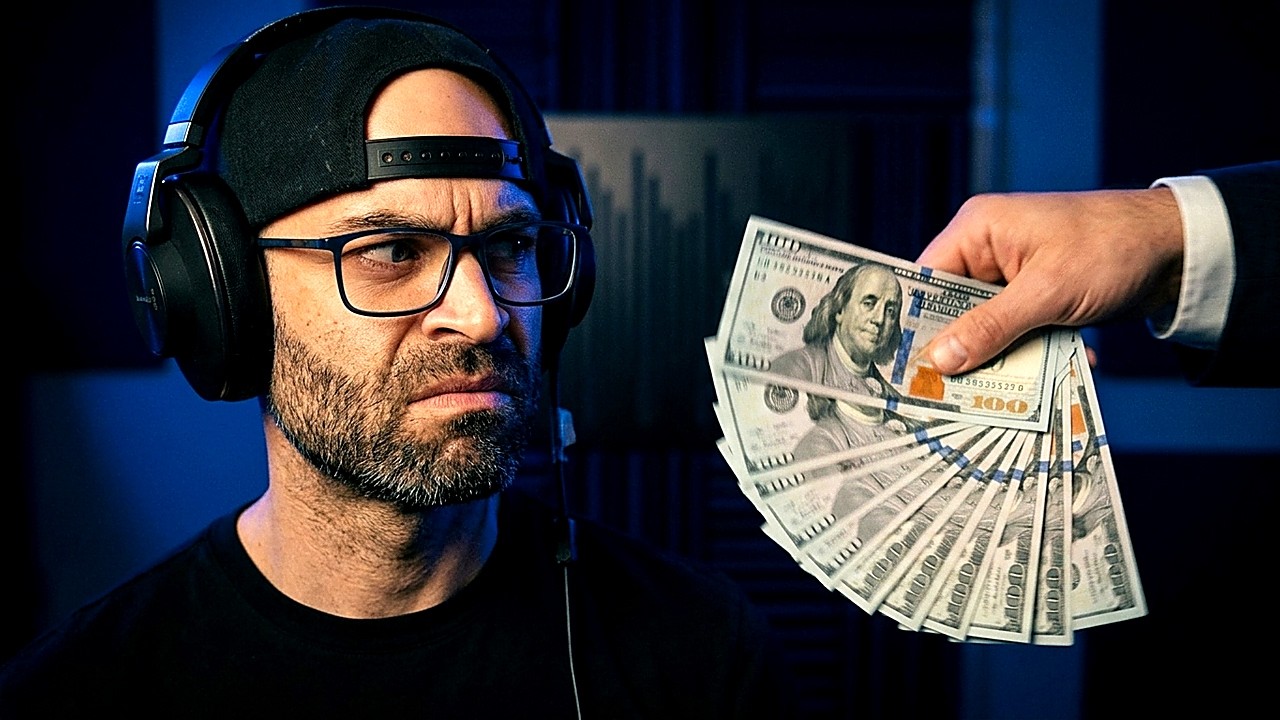
Why Podcast Sponsors Are Almost Always Terrible
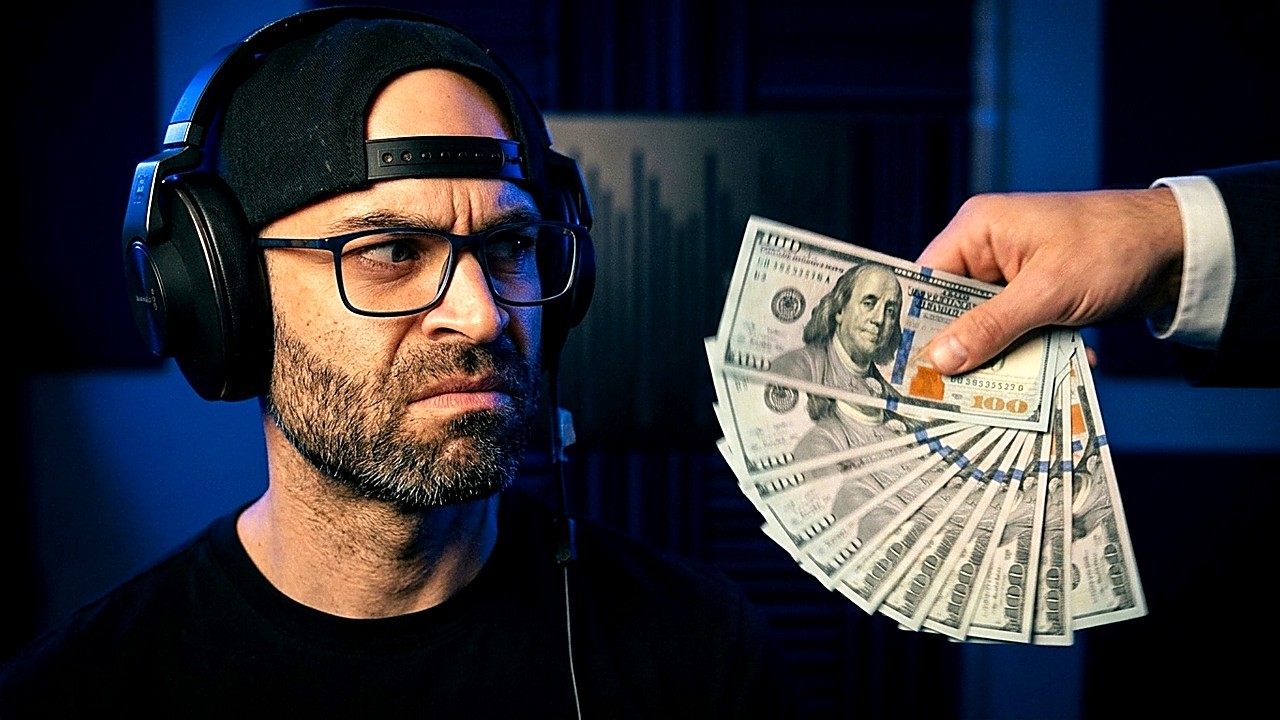
I know podcast sponsorships sound like the dream.
You build an audience, brands pay you to mention their product, and suddenly your show is “monetized.” On paper, it looks clean and simple. In reality, I think the traditional sponsor model is one of the worst deals many podcasters can make, especially if you care about trust, creative freedom, and long-term leverage.
I’ve seen this from the inside, and the biggest problem is not that sponsors are evil. It’s that the model itself is tilted against the creator.
If you are building a podcast to grow authority, generate revenue, and create real business assets, this matters a lot. It matters even more if you are a coach, consultant, or business owner using podcasting as a serious growth channel instead of a vanity project.
The sponsor model looks attractive until you understand who really owns the upside
The pitch is easy to fall for:
A company pays for ad reads
You mention them on your show
Everyone wins
But that is only true while the contract is active.
What often gets missed is that podcast content can keep producing results long after an ad campaign ends. Episodes remain searchable. Clips keep circulating. Evergreen content keeps getting downloaded. Your endorsement can continue driving sales months or even years later.
And in many cases, the sponsor keeps benefiting from that long-term exposure while you stop getting paid the moment the contract ends.
That is the first crack in the model. You are creating an asset. They are renting access to it briefly, then continuing to enjoy the returns.
What happened when a sponsor got an 8x ROI and still walked away
One example really captures the problem.
I worked with a large company selling a high-ticket item. This was not some low-cost consumer product people buy every month. It was the kind of purchase someone might make once and not need again for a long time.
Even with that, the campaign was performing incredibly well. They were getting at least an 8x return on investment. For every dollar they spent, they were seeing eight dollars back. Everyone was happy. The sponsor was thrilled. We were thrilled. The relationship looked strong.
Then the holiday season hit.
The ROI dropped from about 8x to around 2x. That drop was not mysterious. It made perfect sense. During the holidays, people were spending on gifts, random purchases, and seasonal shopping, not on expensive equipment for themselves.
That explanation did not matter.
The following year, they decided not to renew. From their perspective, the numbers were no longer where they wanted them, so they left.
Here is the frustrating part: the content did not disappear.
The episodes were still live. The ad reads were still baked into the content. The evergreen episodes were still performing. Their brand was still benefiting from exposure and sales generated by material we had already created.
But once the contract ended, the payments stopped.
That is why I compare sponsorships to a terrible rent-to-own arrangement. You get paid for a short window, but the sponsor can keep living inside the value of your content long after the deal is over. They walk away with the equity. You are left with the frustration.
Why sponsors always have the leverage
This is the core issue.
In a sponsor relationship, the sponsor usually holds the power. They know it, and most creators know it too.
The second your numbers dip, or their internal expectations change, or a quarterly report shifts, they can leave. It does not necessarily mean your show stopped being valuable. It just means your value is being measured by someone else’s business model.
That creates a very unstable foundation for your podcast.
Your revenue becomes dependent on things you do not control, including:
The sponsor’s seasonal sales cycles
Their changing ROI standards
The budget decisions of someone in marketing
The opinions of people who may not understand your audience
Even if the sponsor likes you, and even if good people are involved, the structure still puts the podcaster in a vulnerable position.
That is what makes this so rough. Nice people can still participate in a system that leaves creators with very little leverage.
Sponsorships can quietly censor your content
The money issue is only one part of the problem.
The other part is creative control.
Say you want to say something bold. You want to challenge the mainstream narrative, share a controversial story, or publish an episode that pushes hard on a topic your audience genuinely cares about.
Then the email comes in.
Maybe it is phrased politely. Maybe it sounds professional. But the message is basically this: we did not like that. Be more careful. Do not mention us in episodes like that. Tone it down.
Now you are no longer making content based purely on what is best for your audience or what you believe needs to be said. You are making decisions based on protecting revenue.
That is a dangerous shift.
Once that happens, your show starts serving the sponsor before it serves the mission.
I have seen that happen firsthand. On one show, we built major momentum partly because we were willing to do things that stood out. That edge helped the audience grow. But it also triggered sponsor discomfort. Some sponsors effectively said, in corporate language, that they did not agree and were dropping out.
In one case, after the show gained even more traction, someone from the same company came back and admitted that dropping us had been a mistake. They wanted back in.
We said no.
And honestly, that was the right call.
The credibility trap that makes you sound like a hired gun
There is another problem that does not get talked about enough: sponsorships can slowly damage trust with your audience.
Imagine this pattern:
For six months, you enthusiastically promote Company A
Your contract ends, or they choose not to renew
You switch to Company B and sound just as enthusiastic
To you, that might just be the business. To your audience, it can sound like your conviction changes depending on who is paying.
That is how you start to look like someone who will promote anything as long as the check clears.
Maybe that is not fair. Maybe you are being honest every time. But the model itself creates the perception problem.
That is what makes it so damaging. Your trust is not necessarily lost because you did something unethical. It gets eroded because the structure makes you appear interchangeable and for hire.
For anyone trying to build authority, that tradeoff is brutal.
Contracts can turn podcasters into employees with microphones
Once you sign a sponsorship agreement, you are usually committing more than people realize.
You may be required to:
Read a certain number of ads each month
Hit download or CPM targets
Use specific talking points
Include ad placements in a fixed number of episodes
That means your time is no longer fully your own.
Even if you are tired of the product, even if the messaging no longer fits, even if the episodes are moving in a different direction, you are still on the hook.
At that point, you are not really operating like a fully independent creator. You are functioning like an employee disguised as a podcaster.
That is the cage many people accidentally build for themselves.
What I would do instead: self-sponsor the show
If the traditional sponsor model creates all these problems, what is the better option?
Sponsor yourself.
When I self-sponsor, I keep 100% of the leverage.
I am not dependent on:
Someone else’s quarterly earnings
A seasonal dip in buying behavior
A marketing department’s mood
A brand’s tolerance for controversial topics
I can decide what to promote, how to promote it, and when to change the offer.
I can build my own campaigns around my own business. I can create holiday specials if I want. I can point listeners toward services, programs, or offers that directly support the brand I am actually trying to build.
Most importantly, my business is not being held hostage by someone else’s ROI expectations.
Why self-sponsoring makes more sense for authority-driven podcasters
If your podcast exists to build your authority, generate leads, and grow your business, self-sponsorship is usually far more aligned than chasing outside advertisers.
Instead of renting out trust to a brand, you are using your show to strengthen your own ecosystem.
That can mean directing people toward:
Your services
Your coaching
Your consulting
Your program or academy
Your email list or lead magnet
For me, this is especially relevant when working with business owners who want a podcast to produce real revenue, not just surface-level visibility.
If you are a fitness coach, for example, the goal should not be random sponsorship money if that money compromises your positioning. The better play is often using your podcast to build authority that leads to premium clients, stronger brand trust, and business growth you actually control.
The bigger lesson: monetize in a way that protects trust
I am not saying every sponsor relationship is bad, and I am definitely not saying there are no good companies out there. There are. Some brands are great to work with. Some partnerships are genuinely aligned.
But I do think podcasters need to stop assuming sponsorships are the gold standard.
For many shows, they are not.
If the price of sponsor revenue is:
losing leverage,
weakening audience trust,
watering down your message,
and handing long-term value to someone else,
then the deal may be far worse than it first appears.
That is why I keep coming back to the same idea: build your show so it strengthens your business first. If a sponsorship opportunity ever fits naturally and does not compromise that, fine. But I would never build the foundation around it.
What this means for podcasters who want real business growth
If your goal is to use podcasting as a serious authority and client acquisition tool, the strategy needs to go beyond ad revenue.
You want a show that:
builds trust instead of renting it out
supports your offers instead of someone else’s products
gives you more control, not less
creates long-term assets your business benefits from
That is a much stronger model than hoping a sponsor keeps renewing.
And if you are trying to build authority in fitness or any other expertise-driven space, this is exactly why I believe podcasting should be treated like a business growth system, not just a content hobby.
If you want help building a podcast that actually supports your business, attracts qualified leads, and turns your expertise into authority, that is the kind of work I focus on through my podcast production services and Fitness Authority Academy.
FAQ
Are podcast sponsors always bad?
No. There are good companies and good people in sponsorships. The problem is that the standard sponsor model often gives the brand more leverage than the podcaster. Even a decent sponsor relationship can become unstable if the structure is built around short-term ROI and rigid contracts.
Why is audience trust at risk with sponsorships?
When a host strongly promotes one company and then later switches to another with the same enthusiasm, the audience can start to question whether the recommendation is genuine or simply paid. Even if the host is acting in good faith, the model can make them look like a hired promoter rather than a trusted authority.
How can sponsors affect creative freedom?
Sponsors may push back on topics, tone, or opinions they find risky. That can lead creators to self-censor in order to protect revenue. Over time, content decisions may become driven by sponsor comfort instead of what matters most to the audience.
What does it mean to self-sponsor a podcast?
Self-sponsoring means using your podcast to promote your own business, services, offers, or programs rather than selling ad space to outside brands. It keeps the leverage in your hands and allows the show to directly support your long-term business goals.
Is self-sponsoring better for coaches and consultants?
In many cases, yes. If your podcast is meant to build authority and bring in clients, promoting your own services often makes far more sense than chasing outside advertisers. You keep creative control, preserve trust, and direct attention toward offers you fully own.
What kind of podcaster should avoid relying on sponsors?
Anyone building a podcast primarily to grow a business should think carefully before relying on sponsors. If your goal is lead generation, authority building, or premium client acquisition, sponsor revenue can distract from a much stronger and more controlled monetization path.
