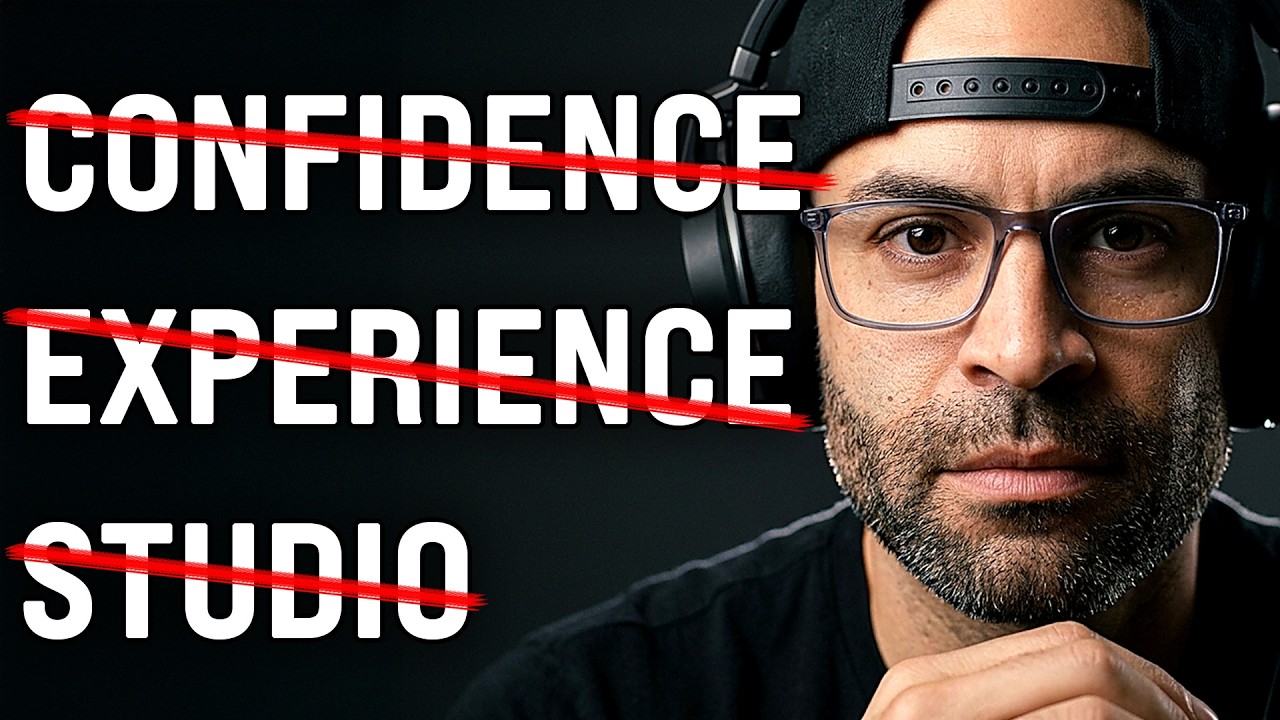
You Don’t Need to Feel Ready to Start a Podcast
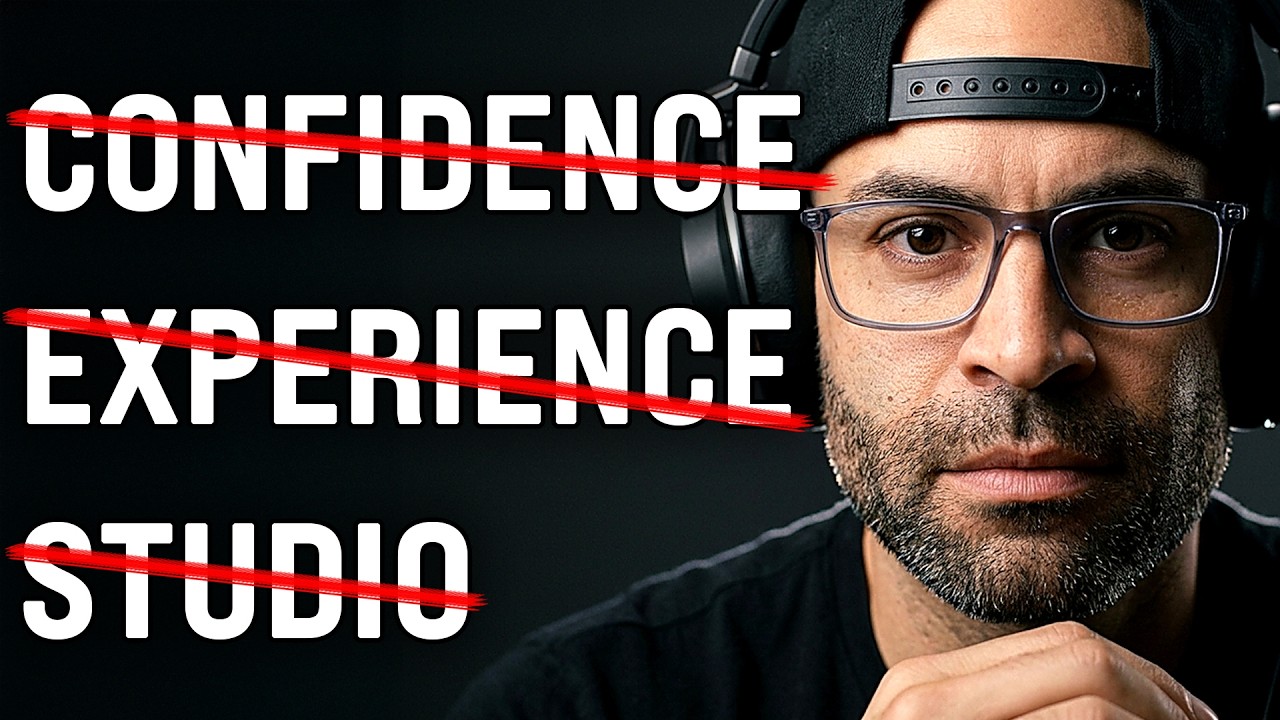
I hear the same kind of backwards logic in fitness all the time.
“I just want to get liposuction and then I’ll start my diet.”
“Once I get in shape, then I’ll stop cheating on my diet.”
“Once I get the result, then I’ll start acting like the person who gets the result.”
You already know that makes no sense.
You do not get in shape and then learn how to get in shape. You learn how to get in shape, you build the habits, you practice the behaviors, and then the result shows up. The lifestyle comes first. The outcome comes second.
But when it comes to podcasting, a lot of fitness professionals completely flip that logic around.
They think they need to become a podcaster before they hit record.
They wait for confidence. They wait for credentials. They wait for the perfect setup. They wait for some imaginary moment where they finally feel official enough to start.
That mindset is costing them an audience they could already be building.
The mindset mistake that keeps fitness coaches stuck
This trap is not unique to podcasting. It shows up everywhere.
Once I get in shape, then I’ll take my diet seriously.
Once I get in shape, then I’ll start training hard.
Once I get out of debt, then I’ll be smarter with money.
Once I get that promotion, then I’ll start showing up on time.
I’ve said versions of this myself. Most people have.
But the logic never works because identity does not come first. Action does.
You do not get jacked and then start going to the gym. You go to the gym, over and over again, and eventually you become the kind of person people describe as jacked.
That same principle applies to content creation, YouTube, social media, and especially podcasting.
Why you’ll probably never “feel ready”
When coaches talk themselves out of starting a podcast, it usually sounds like this:
I’m not good on camera.
I’m not a podcaster.
I don’t know how to edit.
I don’t know what equipment to use.
I need to get more confident first.
All of those objections come from the same belief: I need to be ready first.
But that is not how this works.
Your first day in the gym, you were not ready either. You did not know what you were doing. You did not have the experience you have now. You did not have the confidence you have now. You showed up anyway, made mistakes, adjusted, learned, and improved.
That is exactly how you became good at fitness.
And it is exactly how you become good at podcasting.
Confidence comes after action, not before it
This is the part people keep getting backwards.
Confidence is not a prerequisite. Confidence is a byproduct.
You do not wait until you feel confident to go to the gym. Confidence gets built from showing up consistently.
You do not wait until you fully understand nutrition before you start eating better. You start eating better, and your understanding deepens through doing it.
Podcasting works the same way.
You do not wait until you feel like a podcaster. You start acting like one, and the identity follows.
I’ve always loved the idea Mark Bell says: do more, be more. The more you do, the more you can become. That is not just a nice quote. It is a practical rule for building authority.
The identity shift happens when you start acting like the person you want to become.
Why fitness coaches actually have an unfair advantage
If you are a coach, trainer, gym owner, or health professional, you already understand identity transformation better than most people.
You have watched people change their lives through repeated action.
You have seen what happens when someone stops thinking about change and starts behaving differently. Something shifts internally. They start seeing themselves differently. They start making decisions that match the person they are becoming.
That gives you an unfair advantage in podcasting, because you already know the pattern:
Take action before you feel fully ready.
Repeat that action consistently.
Let the identity catch up.
Receive validation later, not first.
The weird part is that many experienced coaches apply this framework perfectly to their clients, but not to themselves.
They still wait for permission.
They still wait for the perfect studio setup.
They still wait for credentials they do not actually need.
And while they wait, someone less qualified is already building authority online.
My story: how I started producing a major fitness podcast with zero experience
This is not theory for me. I lived this.
When I helped set up the first studio for Mark Bell’s Power Project podcast at Super Training HQ, I was not a podcast producer.
I was not a studio builder.
I did not have credentials in audio engineering. I did not go to school for this. I barely graduated high school, did a little college because that is what I thought I was supposed to do, and then figured out pretty quickly I had no clue what I was doing there.
Everything I’ve done in this space came from deciding to do it, not from collecting permission slips first.
At that point, we had equipment, we had space, and we had something worth talking about. So I got the studio running and texted Mark that it was finally working.
His response was basically, “Cool, we’re going live tomorrow.”
I was not ready. At all.
I was shaking. I was nervous. I was running around checking my phone to make sure the stream was actually live. There was no safety net and no polished process.
And yes, I made a ton of mistakes.
The ugly beginning matters more than people realize
I stumbled over words constantly.
I messed up names in titles.
I screwed up thumbnails.
I switched to the wrong cameras.
I hit black screens at the worst possible times.
I did all the awkward beginner stuff in real time.
But I kept going.
That is the point.
I did not become a podcaster and then hit record. I hit record, and then I became a podcaster. In my case, I also became a producer and co-host through repetition, mistakes, and a lot of reps in a short amount of time.
Eventually, the production improved. My comfort level improved. The mistakes became fewer. The competence grew because the action came first.
That show went on to become one of the biggest fitness podcasts in the world, with millions of views and downloads and incredible guests.
None of that would have happened if I had waited until I felt official.
The real cost of waiting
If I had said, “I’ll do this once I’m a real podcast producer,” the opportunity would have gone to somebody else.
That is what so many coaches need to hear.
Waiting is not neutral.
While you wait, someone else starts.
Right now, there is someone out there who knows less about fitness than you do, has less experience than you do, and is less qualified than you are.
But they are willing to start before they feel ready.
They are willing to sound awkward at first.
They are willing to make mistakes publicly.
They are willing to figure it out as they go.
And because of that, they are building the authority that could have been yours.
They are attracting the audience you could already be serving.
They are becoming the trusted voice in your space, not because they are better, but because they started.
If that stings a little, good. It should.
What powerlifting taught me about identity
One of the coolest moments in my own fitness journey came from my first powerlifting meet.
I was not strong by powerlifting standards. I was almost always first on the platform. If you know how meets work, that means you are opening with the lightest weight. The strongest lifters go later because the bar keeps climbing.
So no, I was not the monster benching absurd numbers that day.
But I still had an amazing meet, because I was competing with myself.
And here is the important part: long before I stepped on that platform, I was already training like a powerlifter.
I had been doing the big three. I was doing the accessories. I was following Mark Bell’s guidance. I was eating in a way that matched the goal. I was preparing for the meet with intent.
In other words, the identity had already been built through action.
Then I hit my first lift. As I walked off the platform, my friend Ryan Spencer grabbed me and said, “Congratulations, you’re officially a powerlifter now.”
That moment hit me hard.
I felt validated. I felt like I belonged. I felt like something had shifted.
But if I am being honest, his words did not create the identity. They confirmed what I had already become through training.
That is exactly how podcasting works.
Stop waiting for someone to tell you you’re officially a podcaster
A lot of people are waiting for some imaginary ceremony.
They want the blue checkmark.
They want the downloads.
They want someone to say, “Congrats, you are now officially a podcaster.”
Maybe that moment comes in some form later. Maybe not.
Either way, it is irrelevant at the beginning.
The validation comes after the work.
After you record.
After you publish.
After you send the link to somebody and ask, “What do you think?”
You do not wait for someone to tell you that you are a podcaster. You start behaving like one until one day you realize you became the exact thing you were waiting for permission to be.
What it actually means to act like a podcaster
This is where the whole thing gets practical.
Ask yourself a simple question:
If I were already a podcaster, how would I treat my week?
Your answer is the blueprint.
If you were a podcaster, you would probably:
Write down topic ideas as they come to you.
Plan what you want to discuss.
Come up with strong episode titles before you record.
Block recording time on your calendar.
Treat it like a training session you do not skip.
Tell your family when you are recording so you can protect the time.
Ask better questions from people who are further ahead than you.
Start setting up the systems and tools needed to publish consistently.
And the wild part is that you can do all of that right now.
You do not need certification to brainstorm topics.
You do not need a degree to write titles.
You can create a YouTube channel right now.
You can create a podcast feed right now.
You can buy a microphone right now.
You can hit record on your laptop right now.
None of that requires external validation.
None of it requires confidence.
And none of it requires you to “feel ready.”
My favorite content mindset shift for endless podcast ideas
One of the easiest ways to start thinking like a podcaster is to change how you consume content.
When you read an article, listen to a show, see a trend, hear a client question, or notice a recurring problem, stop and ask:
How would I turn this into my own episode?
That one question changes everything.
You already do this in fitness, whether you realize it or not.
You hear a new idea and immediately think:
Can this help my clients?
How would I apply this?
What would I change based on my experience?
Podcasting is the same.
A trend becomes an episode.
A client question becomes an episode.
A common mistake becomes an episode.
A study becomes an episode.
The key is not waiting for genius inspiration. The key is learning to view everyday information through a podcaster’s lens.
You’re not getting ready to be a podcaster. You’re already becoming one.
This is the reframe I want you to hold onto.
You are not “getting ready” to become a podcaster someday.
If you are thinking about topics, planning content, studying what works, setting aside time, and building the infrastructure, then you are already acting like one.
The only thing left is to record.
That is why fitness coaches are more prepared for this than they think.
On day one in the gym, you did not know proper form, periodization, programming, or all the nuance you know now. You got better by doing, not by waiting.
The same progression applies here.
The transformation starts before the audience shows up.
You improve through repetition, not through hesitation.
Why a small audience is actually a huge advantage
A lot of people act like having a small audience at the beginning is a problem.
I think it is one of the biggest advantages you can have.
When you are still figuring things out, you want room to be imperfect.
You want room to stumble over words.
You want room to fix your delivery.
You want room to work out the technical issues.
You want room to get your reps in without the pressure of a massive audience seeing every rough edge.
That small early audience gives you the space to sharpen your voice.
By the time bigger growth comes, many of the kinks are already worked out. You are more polished, more confident, and more capable of serving the attention you have earned.
So stop treating the early stage like a disadvantage. It is a training ground.
What to do today
I am not huge on cheesy homework for the sake of homework, but if you need a simple place to start, do this:
Write down three podcast topics.
Turn those into three episode titles.
Schedule a time to record.
That is it.
Act like a podcaster before you ever press record.
Take one piece of content you consumed recently and ask yourself how you would turn it into an episode.
That is training like a podcaster.
And once you actually start recording, developing your opinions, having fun with the process, and becoming someone people trust, you are going to wonder why you waited so long.
Need help building a podcast that actually grows your authority?
If you are a fitness coach, trainer, gym owner, or health professional and you know it is time to stop sitting on the sidelines, this is exactly the kind of work I help people with.
I built Fitness Authority Academy for people who want to use podcasting to grow trust, build authority, and create real opportunities in the fitness space without wasting time spinning their wheels.
If that sounds like what you need, you can check it out here:
https://pursuepodcasting.com/faa
FAQ
Do I need to feel confident before I start a podcast?
No. Confidence comes from repetition. The more you record, publish, and improve, the more confidence you build. Waiting for confidence before you start usually just keeps you stuck.
Do I need credentials to start a fitness podcast?
No. You do not need podcasting credentials, a media degree, or audio engineering experience to begin. You need useful knowledge, a willingness to learn, and the discipline to start before everything feels perfect.
What does it mean to act like a podcaster before recording?
It means doing the behaviors a podcaster would do now: collecting topic ideas, writing episode titles, setting aside recording time, creating your channels, learning the basics, and thinking about content through the lens of your audience’s problems and questions.
What if I’m bad at first?
You probably will be, at least compared to where you will be later. That is normal. Every podcaster starts rough. The goal is not to avoid being bad at first. The goal is to improve through doing it consistently.
Is a small audience bad when I’m just starting?
Not at all. A small audience gives you room to practice, refine your delivery, and work through mistakes without huge pressure. It is one of the best stages for developing your voice and process.
How do I come up with podcast topics?
Start with client questions, common mistakes, trends in your niche, studies you find interesting, and problems you solve every week. If something is useful in your coaching conversations, it can usually become a great episode.
What’s the biggest mistake fitness professionals make with podcasting?
The biggest mistake is waiting to feel like a podcaster before acting like one. Identity follows action. If you wait for permission, someone less qualified will often build the authority and audience first.
